How to move to Switzerland as a foreigner: the real path (no illusions)
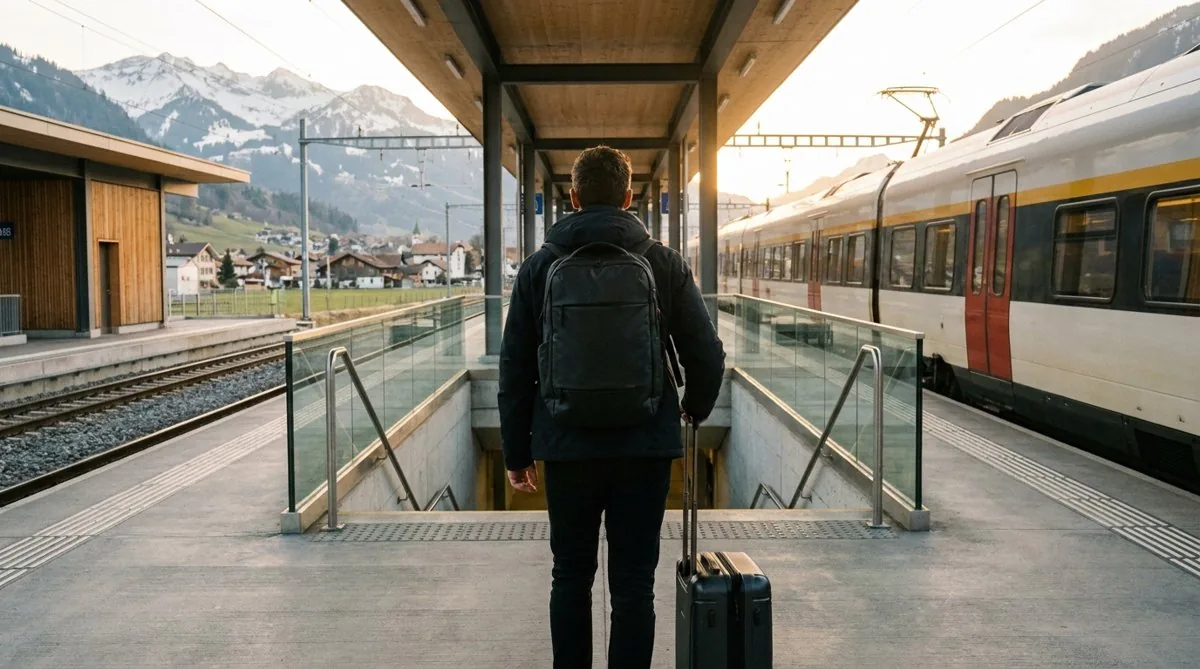
"How do I move to Switzerland?" I get that question every day. And I will be honest with you: there is no magic formula and no shortcut for sale. There is a path — and it takes work. I came five times before I stayed for good. So let me tell you how it really is, the way I lived it, without illusions and without scaring you.
First: you need a legal basis to be here
Forget the idea of "turning up and figuring it out". To live legally in Switzerland you need, in practice, one of two doors: European citizenship (Italian, in my case, which opened Europe to me) or an employment contract from a company here that justifies your residence permit. Without one of those foundations, nothing else holds up. Your case may differ — always confirm at an official source.
A European passport is not the finish line — it is the start
Many people think that with a European passport in hand everything is settled. It is not. I found that out the hard way: holding the document did not automatically let me drive a truck here. Regulated professions require recognition, examinations and licence conversion. The passport opens the door to Europe; each profession has its own lock after that.
Sooner or later, the language comes for you
Can you start without German? In some jobs, yes. But to grow, to be respected and to get the best positions — especially outside tourism — German (in the German-speaking part) makes all the difference. The sooner you face it, the sooner Switzerland stops being a place where you "survive" and becomes a place where you live.
Have a profession Switzerland needs
This was the coldest and most important decision I made. Before coming, I researched which skills were in short supply here — and transport (truck driving) was right at the top. I did not come to "try my luck": I came with a profession that had real demand. Think about that. Switzerland is not waiting for another generic CV; it needs people who solve a concrete problem of its own.
Prepare BEFORE you board
I obtained my C+E licence back home, before I had any job guaranteed. When the opportunity came, I was ready — and that made all the difference. Arriving prepared cuts months of waiting. Study the profession, gather documents, start the language, build a financial cushion. Luck favours the person whose bags are already packed.
The part nobody talks about: persistence
Between the first arrival (2014) and the permanent move (2023) there were five comings and goings. Each return had a family reason — and each one hurt. What always brought me back was stubbornness with a purpose. Living abroad is not a straight line; it is a series of fresh starts. Understanding that early means suffering less in the middle.
Where to start today
The real path in summary: (1) sort out your legal basis (citizenship or contract), (2) have a profession in demand, (3) start the language now, (4) prepare before you come and (5) arrive knowing you will need stamina. It is not for everyone — but it is entirely possible for anyone who takes it seriously.
And when it is time to organise the money for that turning point, the free NM23 financial tool helps you see everything in francs, euros and your own currency in one place.
There is no shortcut, but there is a path — and it starts long before you board. Arriving prepared, knowing what awaits you, is what separates the person who settles from the person who goes home disheartened at the first winter.